

What Articles have helped shape your perspective ?
-
A visual timeline of the past and future of the office spanning architecture, furniture, floor plans, computers, the dreaded cubicle and flexible work.
- 101
- 0
-
Two management scholars who study work-life balance say the commute offers a rare "liminal space" in society.
- 125
- 7
-
In this McKinsey study, we look at how the pandemic has affected the real estate market in the world’s biggest cities and what we can expect to see next.
- 308
- 0
-
Employees may never have a desk that feels like ‘theirs’ again, but the trade-off might mean an agile office that works for everyone.
- 104
- 0
-
To design the office of the future, Jodi Williams and Susan Soehnlen of Arcadis share the four ways we must imagine it.
- 87
- 0
-
Three years into a mass workplace experiment, we are beginning to understand more about how work from home is reshaping workers’ lives and the economy.
- 347
- 0
-
Now that hybrid work is the norm in offices nationwide, the question is: How do we optimize hybrid work for our teams and the organization?
- 88
- 0
-
From the future of remote work to the integration of AI and the changing demands on leaders, what are the trends set to shape the workplace in 2024?
- 94
- 0
-
Unispace's strategy expert, Albert DePlazaola, outlines the five keys to success for an innovative hybrid workplace.
- 86
- 0
-
We look at what the future of work is likely to hold for both businesses and employees, and how society can prepare for the changes coming to the workplace.
- 111
- 1
-
The power dynamic in the workplace is shifting as young workers prioritize individuality and meaningful work over climbing the corporate ladder.
- 334
- 0
-
People are starting to expect their AI to feel human, and that expectation is moving into the workplace.
- 81
- 0
-
While real estate firms are looking for ways to leverage generative artificial intelligence, they should be mindful of the risks and adopt the approach that best suits their needs.
- 111
- 0
-
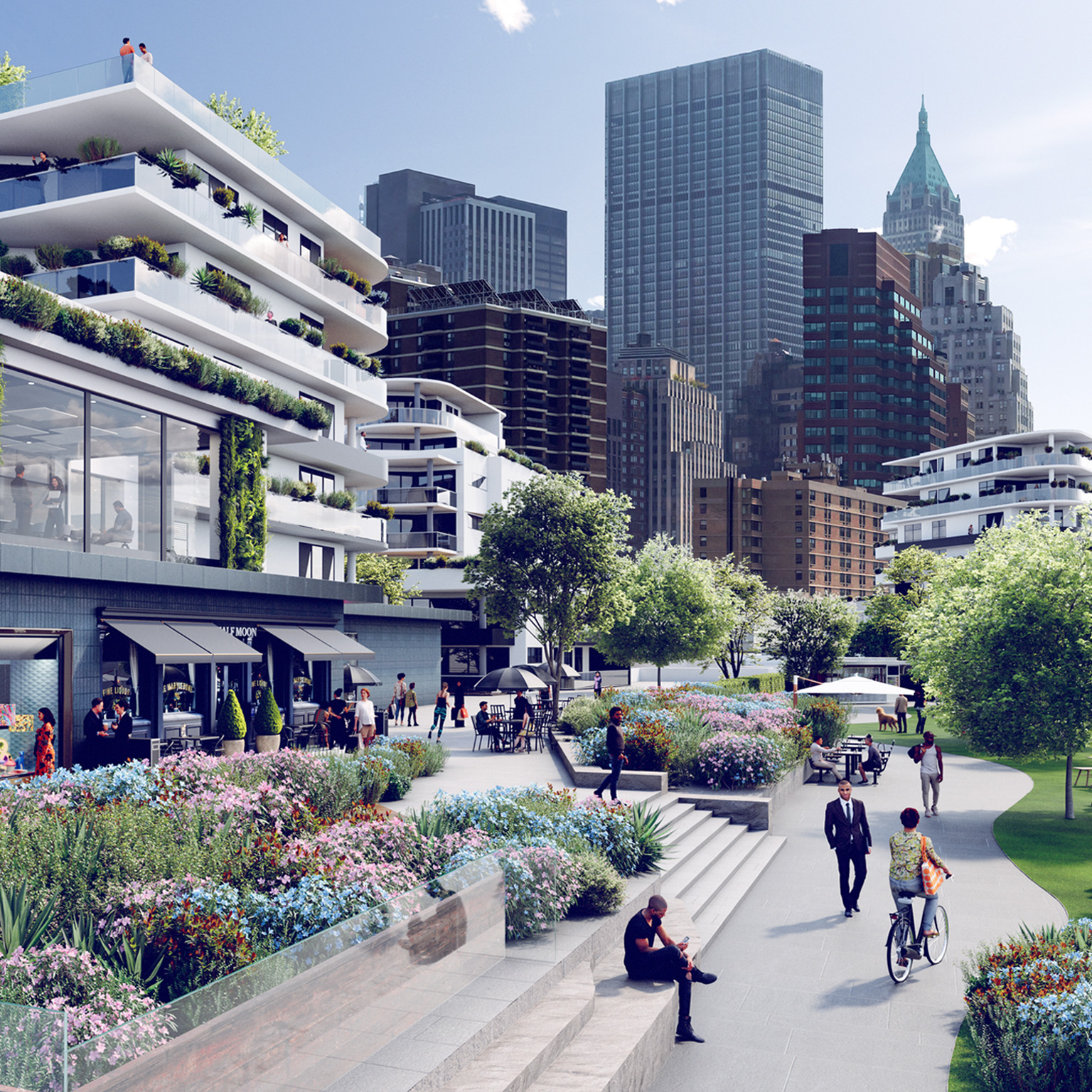
Corporate headquarters aren’t vanishing; they’re being rebuilt as vehicles for collaboration, innovation, and talent attraction. Traditional office districts impose heavy costs through long commutes and fragmented daily logistics. But knowledge campuses support the full rhythm of daily life—work, meetings, learning, socializing, and movement—within a single, highly connected place. Linked to major transportation hubs, they cut down on commuting time and improve workers’ productivity and overall life satisfaction. In this article the authors explain how and why place has become a key factor in talent attraction and productivity. They outline the four key elements of the knowledge campus. And they lay out the principles that business leaders can use to think more deliberately about location—not as a real estate cost or as a marker of status but as a driver of competitive advantage.
- 91
- 1
-
A five-year Gallup study of 351,000 workers finds wellbeing rests on enjoyment, purpose and choice, and that leaders must design it rather than buy it.
- 62
- 0
-
Human sustainability is no longer a wellbeing conversation, it has become a leadership, economic, and societal one, argues Emily Pearson.
- 63
- 0
-
HOK Forward 2026 explores neuroaesthetics in the built environment and how design shapes the brain, body, behavior and well-being.
- 84
- 1